Introduction
Collagen is the most abundant protein in the human body, making up roughly 30 percent of all protein and about 70 percent of skin dry weight. As we age, collagen production naturally declines, leading to visible changes in skin texture, elasticity, and firmness, along with decreased joint flexibility and structural support. Rather than relying solely on topical treatments or invasive procedures, many adults are discovering that foods that increase collagen production naturally offer a sustainable, science-backed approach to supporting both skin and joint health from within. By understanding which nutrients fuel collagen synthesis and incorporating them into your daily diet, you can work with your body's natural processes to maintain youthful skin and mobile joints well into your 40s, 50s, and beyond. This article explores the most effective dietary strategies and food choices for optimizing collagen production naturally.
Understanding Collagen Decline and Production
Collagen production is an ongoing biological process controlled by specialized cells called fibroblasts. These cells synthesize collagen continuously, but their activity decreases significantly with age—typically declining by about 1 percent per year after age 30. By the time you reach 40, you may have already lost a measurable amount of collagen compared to your 20s. This decline is influenced by multiple factors beyond age alone, including genetics, sun exposure, lifestyle habits, and nutritional status.
The body manufactures collagen through a complex biochemical process that requires specific amino acids and micronutrients acting as cofactors. Understanding this mechanism helps explain why simply consuming collagen-rich foods isn't enough; your body needs the raw materials and enzymatic support to actually build new collagen molecules. Vitamin C, for example, is essential for the hydroxylation of proline and lysine residues—a critical step without which collagen cannot form stable triple-helix structures. Similarly, copper, zinc, and iron play vital roles in cross-linking collagen fibers, making them stronger and more functional. Environmental stressors like UV radiation and oxidative stress accelerate collagen breakdown through free radical damage, while inflammation can further suppress fibroblast activity. By addressing nutrition comprehensively, you're essentially optimizing the conditions under which your body can continue producing new collagen efficiently.
The Fibroblast Life Cycle
Fibroblasts don't live forever—they typically function for several weeks before being replaced by new cells. This constant turnover means your body is continuously creating new collagen-producing capacity. When you provide optimal nutrition, newly generated fibroblasts enter the system better equipped to synthesize collagen effectively. Conversely, poor nutrition during fibroblast maturation results in weaker collagen production for weeks. This underscores why consistency in dietary choices matters—you're essentially training your body's cellular machinery to operate at its best.
Signs and Symptoms of Collagen Loss
The effects of declining collagen become visibly and functionally apparent over time. In the skin, you may notice increased fine lines and wrinkles, particularly around the eyes and mouth where expression is greatest. Skin texture often becomes rougher or more uneven, and the complexion may lose its natural luminosity and firmness. Many people describe their skin as feeling less plump or hydrated, even with consistent moisturizing routines. Loss of skin elasticity means that skin doesn't bounce back as quickly when pinched or stretched, and sagging can develop, especially along the jawline, neck, and cheeks.
Beyond cosmetic changes, collagen loss in joints creates functional limitations that many adults over 40 recognize as part of aging. You might experience stiffness in the morning that takes time to resolve, or notice that knees, hips, and shoulders feel less stable during physical activity. Some people develop persistent discomfort in joints, especially after repetitive activities or exercise. Flexibility decreases noticeably—tasks like bending, reaching, or twisting may become more difficult or uncomfortable than they once were. Cartilage, which is rich in collagen, deteriorates without adequate collagen renewal, leading to increased friction between bones and reduced shock absorption. Hair and nails can also reflect collagen decline: hair may become thinner or more brittle, and nails may split or peel more easily. These changes typically accelerate around menopause in women due to hormonal shifts that further suppress collagen synthesis.
Skin Changes vs. Structural Changes
While visible skin changes often motivate people to address collagen loss, the structural changes happening in connective tissue, cartilage, and tendons are equally important. Fine lines may concern you aesthetically, but joint cartilage deterioration affects your actual ability to move and function. Both warrant attention, and fortunately, the same nutritional strategies support collagen health throughout your entire body simultaneously.
Impact on Daily Life and Quality of Life
The cumulative effects of collagen loss can meaningfully affect quality of life and self-confidence. Many people report that changes to their appearance influence how they feel about themselves, affecting social interactions, professional confidence, and personal satisfaction. The physical limitations that accompany joint collagen loss are equally significant—reduced mobility can discourage exercise, which then accelerates further muscle loss and joint deterioration, creating a downward spiral.
Chronic joint discomfort or stiffness may limit hobbies, sports, or everyday activities that bring joy and physical fitness. Some adults find themselves avoiding movement to prevent pain, which only worsens the underlying problem. The psychological impact of these changes shouldn't be underestimated; feeling less capable physically or less confident in one's appearance can contribute to reduced motivation for self-care and wellness overall. This is why a proactive approach—beginning now to support collagen production through diet—makes practical sense. Small dietary changes are far easier to implement consistently than dramatic interventions, and the benefits compound over time as your body has the nutrients it needs to maintain healthy collagen levels.
When to Consider Dietary Intervention
You don't need to wait for significant collagen loss before addressing your intake of collagen-supporting nutrients. In fact, starting in your 30s or early 40s—before major changes become apparent—allows you to maintain collagen levels proactively rather than trying to rebuild what's been lost. This preventive approach is more effective and requires less dramatic intervention than waiting until joint pain or visible aging prompts action.
Certain life events increase your need for collagen-supporting nutrition. Women approaching or experiencing menopause should prioritize these nutrients, as hormone decline directly impacts collagen synthesis. If you engage in regular exercise or sports, your joints benefit from enhanced collagen renewal to keep pace with wear and tear. Similarly, if you have a family history of early skin aging or joint issues, earlier intervention makes sense. Even if you feel your current dietary habits are reasonably healthy, a quick assessment of whether you're consistently consuming adequate vitamin C, amino acids, and minerals can reveal gaps worth addressing.
Natural Dietary Approaches to Support Collagen Production
The foundation of naturally supporting collagen production is ensuring your diet contains adequate protein and the specific micronutrients that enable collagen synthesis. Unlike fad approaches that promise instant results, evidence-based nutrition works slowly and steadily, aligning with your body's natural renewal cycles. Skin cells turn over roughly every 28 days, while deeper dermal collagen remodeling takes months. This timeline means that consistency matters more than perfection—maintaining good nutritional habits for 8 to 12 weeks will produce measurable changes.
Beyond individual nutrients, the overall quality of your diet influences collagen production indirectly through systemic inflammation and antioxidant status. A diet high in processed foods, refined carbohydrates, and unhealthy fats promotes inflammation and oxidative stress, both of which accelerate collagen breakdown. Conversely, an eating pattern rich in whole foods, vegetables, healthy fats, and lean proteins creates an internal environment where collagen remains stable and fibroblasts can function optimally. This is why foods that increase collagen production naturally work best within the context of a generally healthy diet rather than as isolated remedies. Hydration also deserves mention—collagen's function depends partly on maintaining adequate tissue moisture, so drinking sufficient water supports both collagen synthesis and skin hydration from within. Limiting alcohol and avoiding excessive sun exposure are complementary lifestyle factors that protect existing collagen while your diet supports new production.
Key Nutrients and the Best Food Sources
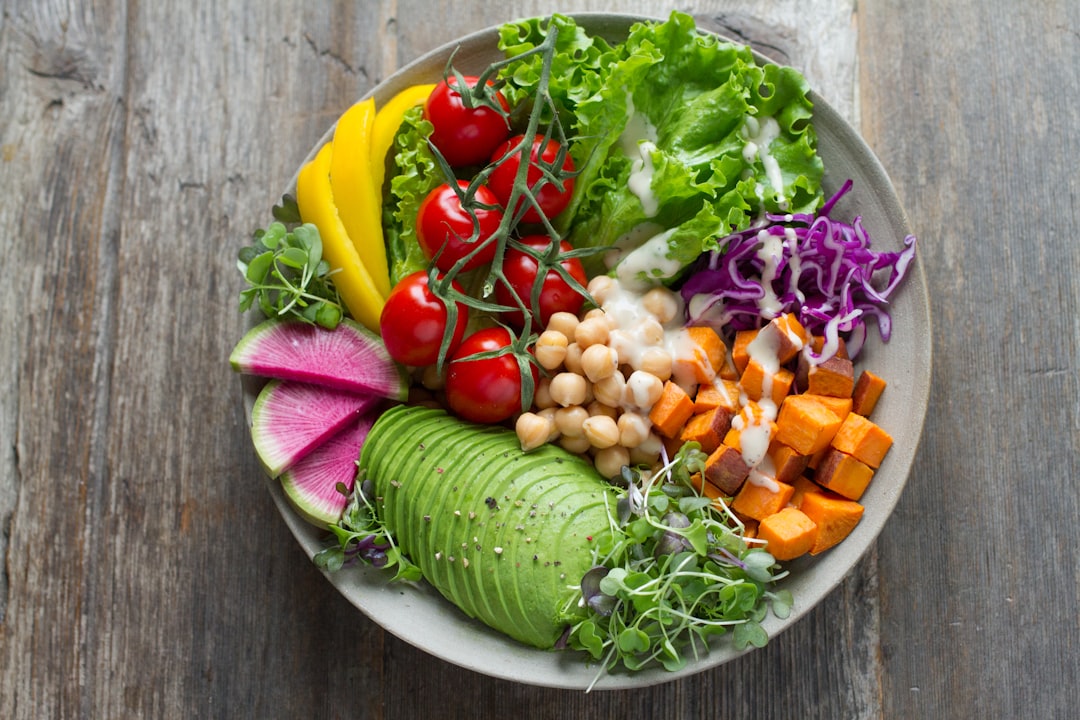
Vitamin C stands as perhaps the most critical nutrient for collagen production. It acts as a cofactor for prolyl and lysyl hydroxylase enzymes that stabilize collagen's structure. A 2019 review in Nutrients found that vitamin C deficiency directly impairs collagen synthesis, while adequate intake supports skin firmness and resilience. Excellent food sources include citrus fruits, berries, bell peppers, broccoli, kiwi, and leafy greens like spinach and kale. The key is consuming vitamin C-rich foods regularly and preferably raw or lightly cooked, as heat degrades this water-soluble vitamin. Aim for 200-500 mg daily from food sources, which translates to roughly two servings of vitamin C-rich produce per day.
Amino acids, particularly glycine, proline, and lysine, form collagen's backbone structure. While your body can synthesize some amino acids, dietary intake ensures abundant supply. Foods that increase collagen production are naturally protein-rich: grass-fed beef, wild salmon, chicken, eggs, legumes, and Greek yogurt all provide these building blocks. Bone broth deserves special mention—it contains bioavailable collagen peptides and gelatin that some research suggests may directly support joint health and skin appearance, though the effects are modest. A serving of bone broth contains roughly 10-15 grams of collagen precursors, making it a worthwhile addition to soups, stews, or consumed alone as a broth.
Copper, zinc, and iron function as essential cofactors in collagen cross-linking. Oysters and other shellfish are exceptionally rich in copper and zinc. Red meat, poultry, legumes, and seeds provide iron and zinc. Silica, found in whole grains, green beans, and beer (in moderation), may support collagen stability. Antioxidants including anthocyanins, polyphenols, and flavonoids protect collagen from free radical damage. Berries, dark chocolate (70 percent cacao or higher), red wine, green tea, and colorful vegetables are rich sources. For those interested in a comprehensive nutrient formula that covers these bases, RegenVive combines several key nutrients that support collagen synthesis and joint structure in one convenient product.
Sample Daily Nutrition Plan for Collagen Support
Breakfast: Greek yogurt with berries and almonds provides protein, vitamin C, and zinc. Mid-morning snack: An orange or bell pepper delivers additional vitamin C. Lunch: Grilled salmon with leafy greens and olive oil supplies amino acids, omega-3 fatty acids, and antioxidants. Afternoon snack: A handful of pumpkin seeds offers zinc and magnesium. Dinner: Grass-fed beef with roasted broccoli and sweet potato delivers iron, copper, amino acids, and silica. This pattern ensures you're covering the nutritional bases for collagen support throughout the day without requiring special supplements or complicated meal planning.
Frequently Asked Questions
How long does it take to see results from dietary collagen support? Most people notice subtle improvements in skin texture and hydration within 4 to 8 weeks of consistent nutrient intake, though more significant changes in firmness and joint comfort typically emerge around 12 weeks. Results vary based on age, genetics, baseline nutritional status, and overall lifestyle factors. Patience and consistency matter far more than expecting overnight transformation.
Can you get enough collagen-supporting nutrients from food alone? Absolutely, provided your diet consistently includes protein sources, colorful vegetables and fruits, healthy fats, and whole grains. However, modern diets often fall short—particularly in vitamin C, which requires daily intake since your body cannot store it. If your current eating habits don't reliably cover these bases, a targeted supplement can fill gaps, though whole foods remain the primary strategy.
Does consuming collagen directly (like bone broth or collagen peptides) work differently than supporting production with micronutrients? Dietary collagen is broken down during digestion into amino acids and small peptides, which your body then uses as building blocks—it doesn't directly become skin or joint collagen. Supporting your body's own production capacity through micronutrients and amino acids is the fundamental strategy, though some evidence suggests collagen peptides may offer joint-specific benefits independent of this mechanism.
Are there foods that actively inhibit collagen production I should avoid? Excess sugar and refined carbohydrates promote glycation—a process where sugar molecules attach to collagen fibers, making them stiff and less functional. Additionally, frequent consumption of processed foods high in trans fats and omega-6 polyunsaturated fats can promote inflammatory conditions that suppress fibroblast activity. Limiting these foods is as important as adding collagen-supporting nutrients. Similarly, excessive alcohol consumption depletes B vitamins necessary for collagen synthesis and increases inflammation.
Moving Forward With Collagen-Supporting Nutrition
Supporting your body's natural collagen production is one of the most evidence-supported and sustainable approaches to aging well. By prioritizing foods rich in vitamin C, amino acids, minerals, and antioxidants, you're giving your fibroblasts the exact nutrients they need to synthesize healthy new collagen continuously. This approach works slowly because it's working with your body's actual biology—there's no shortcut, but there's also no crash or side effects, only steady, natural improvement in skin appearance and joint function.
If you're serious about supporting collagen production but find it challenging to cover all necessary nutrients through diet alone, supplements formulated with these specific factors may help bridge the gap. Learn more about RegenVive and see how it addresses the nutritional foundations discussed in this article.