Introduction
Joint discomfort is one of the most common health complaints among adults over 40, affecting an estimated 100 million people worldwide. As we age, the cartilage that cushions our joints naturally breaks down, leading to stiffness, reduced mobility, and pain that can interfere with everyday activities. Many people search for solutions beyond medication, turning instead to dietary supplements and lifestyle strategies. Among the most researched natural compounds for joint support are glucosamine and chondroitin. These two nutrients have become central to conversations about joint health, yet many people don't fully understand how glucosamine and chondroitin support joint health or what the science actually shows. This article explains the mechanisms behind these compounds, what research tells us about their effectiveness, and how they fit into a broader approach to maintaining healthy joints as you age.
Understanding Joint Structure and Age-Related Decline
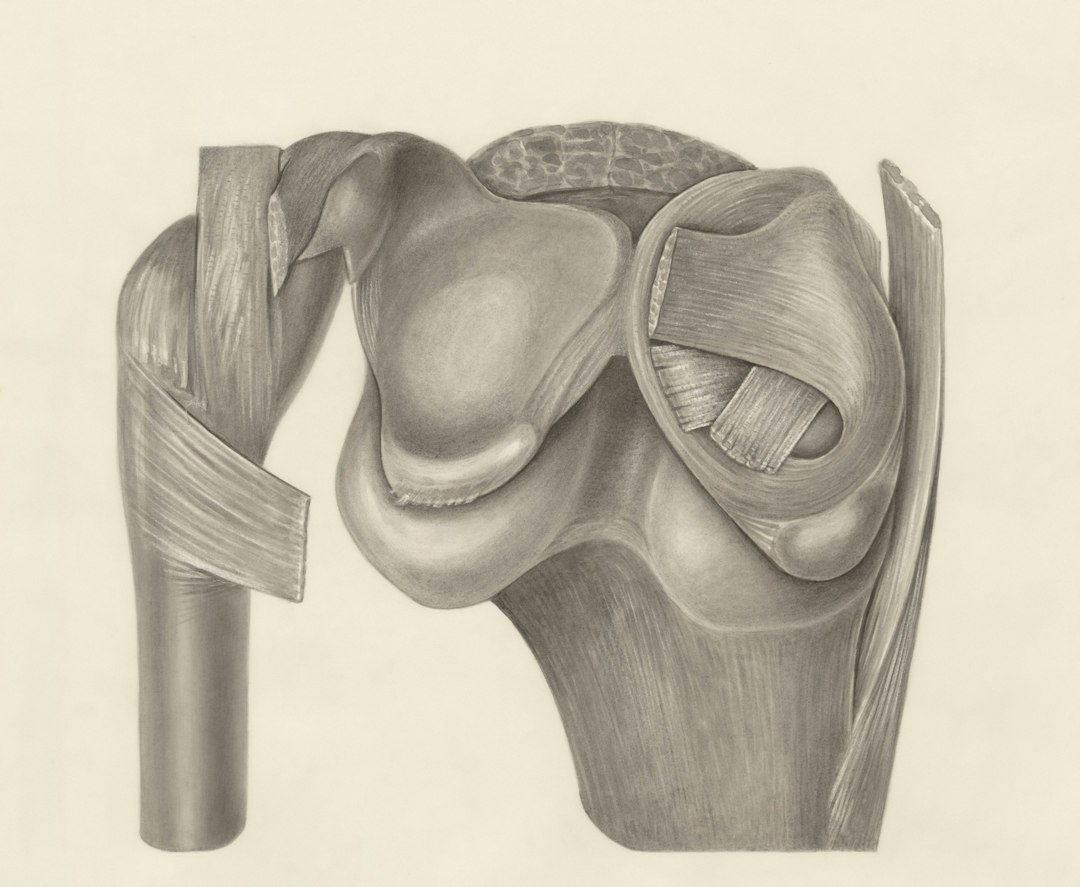
To appreciate how glucosamine and chondroitin support joint health, it helps to first understand what happens inside a joint. Your joints are complex structures made up of bone, cartilage, synovial fluid, and connective tissue. Cartilage is a smooth, flexible material that covers the ends of bones and allows them to glide past each other without friction. It's composed primarily of collagen fibers and a gel-like substance called the extracellular matrix, which contains water, proteins, and compounds called glycosaminoglycans—of which chondroitin is one type.
As we age, several changes occur in joint cartilage. The water content decreases, making cartilage less resilient. The enzymes that maintain cartilage structure become imbalanced, with degradative enzymes beginning to outpace the body's repair processes. Additionally, the production of synovial fluid—the "oil" that lubricates joints—often slows down. A 2020 review published in the journal Cartilage found that by age 50, nearly 85% of adults show some degree of cartilage wear, whether symptomatic or not. This age-related decline doesn't necessarily mean pain or dysfunction, but it does mean the joint is more vulnerable to injury and inflammation. Understanding this biochemical reality is essential context for why compounds like glucosamine and chondroitin have attracted scientific interest as potential interventions.
The process isn't entirely inevitable or irreversible. While we cannot regenerate cartilage to its youthful state, we can support the body's ongoing maintenance and repair processes. This is where nutritional support becomes relevant. The nutrients that make up cartilage—and the compounds that help regulate its breakdown—can theoretically be supplied or enhanced through diet and supplementation.
Signs and Symptoms of Joint Cartilage Wear
Joint discomfort manifests differently from person to person, which is why recognizing the early signs can help you take action before significant decline occurs. The most common symptom is stiffness, particularly in the morning or after periods of inactivity. Many people describe feeling "creaky" when they first get out of bed, with the stiffness improving as they move around. This temporary stiffness is different from the kind caused by inflammation, though both can occur in aging joints.
Pain during or after physical activity is another hallmark sign. You might feel discomfort in your knees when climbing stairs, in your hips when walking, or in your hands when gripping objects. Some people experience a grinding or popping sensation—called crepitus—when moving their joints. This occurs when the cartilage surface becomes uneven and the joint no longer moves as smoothly. Swelling or puffiness around the joint can also develop, especially after activity or at the end of the day.
Beyond physical symptoms, many people notice reduced range of motion. Activities that were once effortless—reaching overhead, bending down, or walking long distances—become more difficult or cause discomfort. This functional decline often drives people to seek solutions, as it directly impacts quality of life. A 2019 study in Frontiers in Medicine noted that joint-related mobility issues are among the top reasons adults over 50 reduce their physical activity, which creates a problematic cycle: less movement leads to weaker muscles, which puts additional stress on joints, accelerating further deterioration.
It's important to distinguish between normal age-related wear and cartilage-related pain versus other joint conditions. Rheumatoid arthritis, for example, produces different symptoms and has an inflammatory autoimmune component. If you're experiencing severe, sudden pain, significant swelling, or warmth in the joint, professional evaluation is important to rule out other conditions before focusing on supportive strategies.
Impact on Daily Life and Quality of Aging
Joint discomfort isn't merely a physical inconvenience—it profoundly affects quality of life and emotional well-being. Adults with joint pain often report difficulty with basic self-care activities: opening jars, getting dressed, bathing, and toileting can all become painful or frustrating. This loss of independence, even in small ways, can trigger feelings of vulnerability and anxiety about aging.
The social impact is equally significant. Many people reduce their participation in hobbies, exercise, travel, and time with family because of joint-related limitations. Someone who once enjoyed hiking might avoid it due to knee pain. A person who loved dancing might stop attending social events. Over time, this social withdrawal can contribute to depression and isolation, particularly among older adults.
Sleep quality often suffers as well. Pain during the night, or difficulty finding a comfortable sleeping position, can fragment sleep patterns and leave people fatigued the next day. Poor sleep, in turn, lowers pain tolerance and can accelerate joint deterioration by reducing the body's ability to perform its nightly repair processes. Research published in the Journal of Clinical Sleep Medicine found that 67% of adults with joint discomfort report sleep disturbances, creating a bidirectional problem that compounds over time.
Natural Approaches and Lifestyle Strategies for Joint Support
Before considering any supplement, the foundation of joint health should be lifestyle-based. Regular movement is perhaps the single most important factor. This doesn't mean high-impact exercise; in fact, low-impact activities like swimming, walking, cycling, and tai chi are often better tolerated by aging joints. Movement improves circulation to the joint, strengthens the muscles that support and stabilize it, and helps maintain synovial fluid production. A 2018 study in the American Journal of Physical Medicine & Rehabilitation found that consistent low-impact exercise reduced joint pain by 30–40% and improved function in adults with age-related cartilage wear.
Weight management is another crucial lever. Every pound of excess body weight places approximately 3–4 pounds of additional stress on weight-bearing joints like the knees and hips. Even modest weight loss—5–10% of body weight—can significantly reduce joint stress and pain. A landmark 2015 study in Arthritis Care & Research demonstrated that overweight adults who lost just 10 pounds experienced measurable improvements in knee pain and functional capacity.
Flexibility and strength training matter as well. Tight muscles pull on joints and alter movement patterns in ways that increase wear. Gentle stretching, yoga, and resistance training help maintain muscle mass, which naturally declines with age and is crucial for supporting joints. Physical therapists often recommend targeted strengthening of muscles around affected joints—for instance, quadriceps strengthening for knee health, or rotator cuff work for shoulder health.
Finally, stress reduction and sleep hygiene support the body's natural repair processes. Chronic stress elevates cortisol, which can promote inflammation. Prioritizing 7–9 hours of quality sleep allows the body to perform essential maintenance and tissue repair, including cartilage maintenance.
The Role of Nutrition and Key Nutrients for Joint Health
While lifestyle forms the foundation, nutrition plays a supporting but important role. Your body cannot build or maintain cartilage without the raw materials: specific amino acids, vitamins, and minerals. Several nutrients stand out for their relevance to joint structure and function.
Glucosamine is an amino sugar that serves as a building block for glycosaminoglycans, the gel-like components of cartilage. The body manufactures glucosamine naturally, but production declines with age. Glucosamine is theoretically important because without adequate levels, the body may struggle to maintain the cartilage matrix. Chondroitin is a larger glycosaminoglycan already present in cartilage. It's believed to help cartilage retain water and resist compression, while also potentially inhibiting enzymes that break down cartilage. Together, glucosamine and chondroitin support joint health by providing the structural components and signaling compounds the body uses during joint maintenance.
Collagen, particularly type II collagen, is the primary structural protein in cartilage. A 2019 randomized controlled trial in the Nutrients journal found that participants taking hydrolyzed collagen showed significant improvements in joint pain and mobility over 12 weeks compared to placebo. The hydrolyzed form is thought to be more bioavailable than intact collagen.
Vitamin C is essential for collagen synthesis. Without adequate vitamin C, the body cannot properly form or repair collagen-based structures. The recommended daily intake is 75–90 mg for adults, but some research suggests that people with joint concerns may benefit from higher intakes. Vitamin D supports bone health and immune regulation; deficiency is linked to increased joint pain and cartilage degradation. Omega-3 fatty acids from fish oil have demonstrated anti-inflammatory effects. A 2015 meta-analysis in the American Journal of Clinical Nutrition found that omega-3 supplementation reduced joint pain by about 22% on average in adults with age-related joint wear.
If you're interested in formulas that combine these research-backed nutrients in one convenient option, targeted joint support supplements like RegenVive combine many of these key ingredients in amounts aligned with scientific evidence. This approach can be helpful if dietary intake is insufficient or if you prefer a structured supplementation strategy.
Frequently Asked Questions
Q: How long does it take to notice benefits from glucosamine and chondroitin?
A: Most research studies evaluating glucosamine and chondroitin run for 8–12 weeks minimum. Many people don't notice meaningful changes for 4–8 weeks. This is because these compounds work gradually, supporting the body's cartilage maintenance processes rather than providing immediate pain relief. Individual results vary significantly based on baseline joint health, overall nutrition, activity level, and consistency of use.
Q: Is glucosamine and chondroitin joint health support backed by strong scientific evidence?
A: The evidence is mixed. Some studies show modest benefits—typically a 15–30% reduction in joint pain and improved function over 8–12 weeks. Other high-quality trials show no benefit beyond placebo. The variation partly depends on study design, dosage, duration, and population studied. Most experts agree that while glucosamine and chondroitin are unlikely to reverse significant cartilage damage, they may help support joint health as part of a comprehensive approach including exercise, weight management, and other nutrients.
Q: Can you get enough glucosamine and chondroitin from food alone?
A: Glucosamine is found in bone broths, shellfish shells, and animal connective tissues, but in relatively modest amounts. Chondroitin is similarly scarce in typical foods. This is why supplementation became popular—it's difficult to obtain therapeutic amounts through diet alone, especially if you follow a vegetarian diet or prefer not to consume bone broth regularly.
Moving Forward With Joint Health
Joint health in your 40s, 50s, and beyond doesn't have to mean accepting progressive discomfort. By understanding how glucosamine and chondroitin support joint health through their roles in cartilage structure and maintenance, you can make informed decisions about whether they fit your overall strategy. Remember that these compounds work best as part of a comprehensive approach: consistent low-impact movement, strength training, weight management, adequate sleep, and broad nutritional support all matter.
Start with lifestyle fundamentals, ensure your diet includes key joint-supporting nutrients, and then consider whether supplementation makes sense for your individual situation. Many adults find that combining these strategies produces better results than any single intervention alone.
If you're exploring supplement options to support the nutritional factors discussed in this article, you can review what RegenVive offers to see whether it aligns with your joint health goals. A well-formulated supplement can help bridge nutritional gaps and support your body's natural maintenance processes. Learn more about the specific ingredients and how they work together.